Insulation Materials in Dubai – Top Verified List
Najm Al Balad Trading Co. (L.L.C.)
G Floor, 12B Street,
Naif,
Dubai
Phone number +971 529 988 333
Gulf Insulation Materials Trading
Al Qusais Industrial Area 1,
Dubai
Phone number +971 4 267 3819
Prime Thermal Insulation Supplies
Ras Al Khor Industrial Area 2,
Dubai
Phone number +971 4 333 7624
Universal Insulation Trading
Al Quoz Industrial Area 3,
Dubai
Phone number +971 4 347 5196
Emirates Heat Insulation Materials
Umm Ramool Industrial Area,
Dubai
Phone number +971 4 286 9043
Blue Shield Insulation Products
Jebel Ali Industrial Area,
Dubai
Phone number +971 4 880 6627
Advanced Insulation Materials
Deira,
Dubai
Phone number +971 4 225 8741
Thermo Build Insulation Trading
Al Nahda,
Dubai
Phone number +971 4 263 5982
Gulf Core Insulation Suppliers
International City,
Dubai
Phone number +971 4 421 7349
Smart Build Insulation Solutions
Bur Dubai,
Dubai
Phone number +971 4 352 6618
Townin.com has listed some of the most trusted insulation material suppliers here to support contractors, builders, engineers, and industrial buyers. Several companies included in this list are published after verification through field visits or telephonic confirmation to ensure reliability, accuracy, and genuine business operations.
Insulation Works: Chiller Line Rectification and Re-Insulation Works in Dubai
Insulation plays a critical role in maintaining energy efficiency, preventing heat loss, and ensuring the smooth operation of various systems, including HVAC systems. In industries and commercial spaces, chiller lines are among the most important components that require regular insulation to ensure optimal performance. Proper insulation helps in reducing energy consumption, preventing condensation, and extending the life of the equipment.
Chiller lines are responsible for carrying chilled water or refrigerant between the chiller and air-handling units (AHUs). Over time, insulation may deteriorate due to factors such as moisture, mechanical damage, or wear and tear. Poor insulation can lead to energy losses, reduced cooling efficiency, and higher operational costs. Thus, chiller line rectification and re-insulation works are essential to restore and maintain the efficiency of the chiller system.
Chiller Line Rectification: The Process in Dubai
Chiller systems are essential for industrial and commercial applications to provide cooling for equipment, processes, and spaces. Over time, the chiller lines may develop issues that affect their performance. Chiller line rectification is the process of diagnosing, repairing, and restoring the efficiency of chiller systems. Here’s an overview of the chiller line rectification process:
1. Initial Inspection and Diagnosis
The rectification process begins with a thorough inspection of the entire chiller system. This step involves checking for any visible issues such as leaks, corrosion, or blockages in the chiller lines. Specialized diagnostic tools are used to measure the system's performance, identify pressure drops, and detect refrigerant or coolant leaks.
Key Tasks:
- Visual inspection for damages, cracks, and corrosion.
- Use of pressure gauges to assess pressure loss or irregularities.
- Thermal imaging to detect temperature anomalies.
- Checking refrigerant or coolant levels.
2. Leak Detection and Repair
Leaks in chiller lines can lead to refrigerant loss, reduced cooling efficiency, and system failures. Once a leak is detected, the rectification team seals the leak using appropriate techniques, such as welding, brazing, or using sealants.
Key Tasks:
- Locate leaks using detection tools like ultrasonic leak detectors.
- Evacuate the system (if necessary) before repairing the leaks.
- Apply appropriate sealing methods to restore the integrity of the lines.
3. Cleaning and Flushing of Chiller Lines
Chiller lines often accumulate debris, sludge, and contaminants over time, which can lead to blockages and reduced system efficiency. Cleaning the lines is a crucial part of rectification.
Key Tasks:
- Use chemical solutions or high-pressure water to flush out contaminants.
- Ensure that any corrosion or buildup inside the pipes is removed.
- Dry the lines thoroughly before recharging the system.
4. Pipe Insulation and Protection
Proper insulation is essential to maintain the efficiency of the chiller system. During rectification, damaged or worn-out insulation is replaced, and the chiller lines are re-insulated to prevent heat gain and condensation.
Key Tasks:
- Inspect the existing insulation for wear or damage.
- Remove old or ineffective insulation.
- Install new insulation materials that meet system requirements.
5. Testing for Pressure and Flow
After repairs and cleaning, the chiller lines need to be tested for pressure and flow consistency. This step ensures that the system operates optimally without any further leaks or pressure losses.
Key Tasks:
- Conduct pressure tests to ensure there are no further leaks.
- Check coolant or refrigerant flow rates to ensure proper circulation.
- Refill the system with the correct refrigerant or coolant.
6. Recommissioning and Final Checks
After rectification, the system is carefully restarted, and its performance is monitored to ensure everything is working as expected. This includes checking the chiller’s cooling capacity, energy efficiency, and overall system stability.
Key Tasks:
- Start the system and observe its operation for any irregularities.
- Verify the temperature control and cooling performance.
- Check for any noise, vibration, or abnormal behavior in the chiller lines.
Re-Insulation Works: Step-by-Step in Dubai
Re-insulation is a process of upgrading or replacing old insulation to improve energy efficiency, comfort, and reduce energy bills. Here's a step-by-step guide to re-insulating your home or building:
1. Assessment and Planning
- Inspection: Begin by inspecting your current insulation for signs of damage, wear, or inefficiency. Common areas to check include the attic, walls, floors, and crawlspaces.
- Energy Audit: Consider performing an energy audit to identify areas where heat loss or gain occurs, helping you target the most critical areas for re-insulation.
- Material Selection: Choose the appropriate type of insulation based on the needs of your home. Common options include fiberglass, spray foam, cellulose, and rigid foam board insulation.
- Budgeting: Create a budget for the project, considering materials, labor costs, and any additional tools or equipment needed.
2. Prepare the Area
- Remove Old Insulation: In some cases, old insulation needs to be removed before new material is installed, especially if it's damaged or contains mold. Wear protective gear during this process.
- Seal Air Leaks: Before installing new insulation, seal any gaps, cracks, or air leaks using caulking or weatherstripping to prevent drafts and improve energy efficiency.
- Clean the Space: Ensure the area is clean and free of debris before applying new insulation.
3. Install the New Insulation
- Attic Insulation:
- Lay batts or rolls of fiberglass insulation or blow loose-fill insulation across the attic floor.
- Ensure even coverage, avoiding any gaps, and insulate around attic access points like hatches or doors.
- Wall Insulation:
- For interior walls, you may need to open drywall or siding to install new insulation.
- Use blown-in cellulose or foam insulation for hard-to-reach spaces, or batt insulation for open walls.
- Floor and Crawlspace Insulation:
- Install batts or rolls of insulation between floor joists in crawlspaces or basements.
- Use moisture-resistant insulation if the area is prone to dampness.
- Sealing and Finishing:
- After installing insulation, seal the seams and joints to prevent heat loss.
- Replace any drywall, siding, or paneling that was removed during installation.
4. Test and Inspect
- Thermal Imaging: Use thermal imaging to check for any missed spots or gaps in insulation coverage.
- Final Energy Audit: Conduct a post-installation energy audit to ensure the re-insulation has significantly improved energy efficiency.
5. Maintenance and Monitoring
- Regular Inspection: Periodically inspect your insulation for any signs of wear, damage, or moisture buildup.
- Upkeep: Make necessary repairs or add more insulation over time to maintain optimal energy efficiency.
Benefits of Chiller Line Re-Insulation
- Improved Energy Efficiency: Proper insulation minimizes energy losses and helps the system run more efficiently.
- Reduced Condensation: Re-insulation helps prevent condensation and potential water damage, protecting the facility.
- Enhanced Durability: Re-insulated chiller lines are less prone to wear and tear, extending the system's lifespan.
- Cost Savings: By reducing energy losses, re-insulation can lead to significant savings on cooling and operational costs.
Common Insulation Materials for Chiller Lines
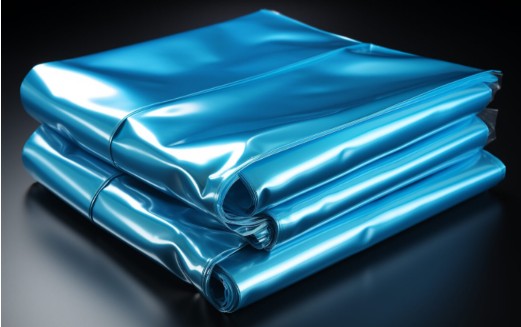
- Fiberglass: Provides excellent thermal resistance and is commonly used in commercial insulation projects.
- Elastomeric Foam: Flexible and resistant to moisture, it is ideal for preventing condensation on chiller lines.
- Polyethylene Foam: Lightweight and highly resistant to water and chemicals, making it a durable choice for industrial settings.
Frequently Asked Questions About Insulation Works in Dubai
Q1. Why
is chiller line insulation necessary?
A1. Chiller line insulation is
necessary to prevent energy loss, maintain cooling efficiency, and avoid
condensation, which can lead to corrosion and damage to surrounding equipment.
Q2. What
are the signs that chiller line insulation needs to be replaced?
A2. Some signs include visible wear
and tear on the insulation, increased energy consumption, condensation buildup,
and reduced cooling efficiency. If the insulation appears wet, saggy, or
damaged, it may need to be replaced.
Q3. What
is the best material for insulating chiller lines?
A3. The best material depends on the
application and operating temperature. Common materials include fiberglass for
high-temperature systems, elastomeric foam for flexibility and moisture
resistance, and polyethylene foam for lightweight applications.
Q4. How
often should chiller line insulation be inspected?
A4. Regular inspection should be
conducted at least once a year, or more frequently in harsh environments.
Inspections help detect early signs of damage or deterioration before they
affect system performance.
Q5. How
long does re-insulation work typically take?
A5. The duration of re-insulation
depends on the scope of the project and the condition of the chiller lines.
Smaller projects may take a few days, while more extensive works could require
several weeks.
Q6. What
is the expected lifespan of chiller line insulation?
A6. With proper maintenance and
care, chiller line insulation can last between 5 to 10 years, depending on the
material and environmental factors. Regular inspections can help extend the
insulation's lifespan.
Q7. What
is the difference between rectification and re-insulation?
A7. Rectification refers to the
repair and restoration of damaged insulation sections without fully replacing
it. Re-insulation involves removing the old insulation entirely and replacing
it with new materials.
Q8. Can I
perform chiller line rectification and re-insulation myself?
A8. It is not recommended to perform
these works yourself, as it requires specialized knowledge and experience.
Hiring professional insulation contractors ensures the work is done safely and
efficiently.