Top 10 Drainage Unblocking Works in UAE
Drainage systems are an essential part of any residential, commercial, or industrial infrastructure. Over time, these systems can become clogged due to a buildup of waste, debris, and other materials. When this happens, it can cause significant disruptions, leading to slow drainage, unpleasant odors, and even water damage. Drainage unblocking works are specialized services designed to clear blocked drains and ensure the smooth functioning of your drainage system. In the UAE, where modern infrastructure is a hallmark of urban development, professional drainage unblocking services play a crucial role in maintaining hygienic and efficient living and working environments.
Drainage unblocking works in the UAE are widely available, catering to the needs of homes, offices, commercial buildings, and industrial facilities. These services are provided by experienced technicians who use advanced equipment and techniques to identify and remove blockages, ensuring long-term solutions to drainage issues.
1. Hussain Ahmad Technical Services LLC
22 Street, Near Al Quoz Industrial Area 4, Al Quoz,
UAE, 83902
2. Ruwais Plumbing Services
Mussafah Industrial Area, Abu Dhabi,
UAE
3. Drain Pro Plumbing Services
Al Muteena, Deira,
Dubai, UAE
4. CleanFix Drainage Services
Al Qusais Industrial Area 3,
Dubai, UAE
5. Kleen Block Drainage Solutions
Al Barsha, Sheikh Zayed Road,
Dubai, UAE
6. Drain Master Plumbing
Al Jurf Industrial Area,
Ajman, UAE
7. Express Drainage and Plumbing Services
Al Nahda,
Sharjah, UAE
8. Hydro Jet Drainage Services
Industrial Area 2,
Sharjah, UAE
9. Super Fix Drainage Unblocking
Mirdif,
Dubai, UAE
10. Quick Flow Drainage Experts
Al Rolla Street,
Sharjah, UAE
Drainage Unblocking Works in UAE
When drainage systems become clogged, they can cause significant problems in homes, businesses, and even public spaces. Drainage unblocking is a crucial service to prevent water backflow, unpleasant odors, and potential damage to properties. Here, we cover everything you need to know about drainage unblocking, its process, and common concerns.
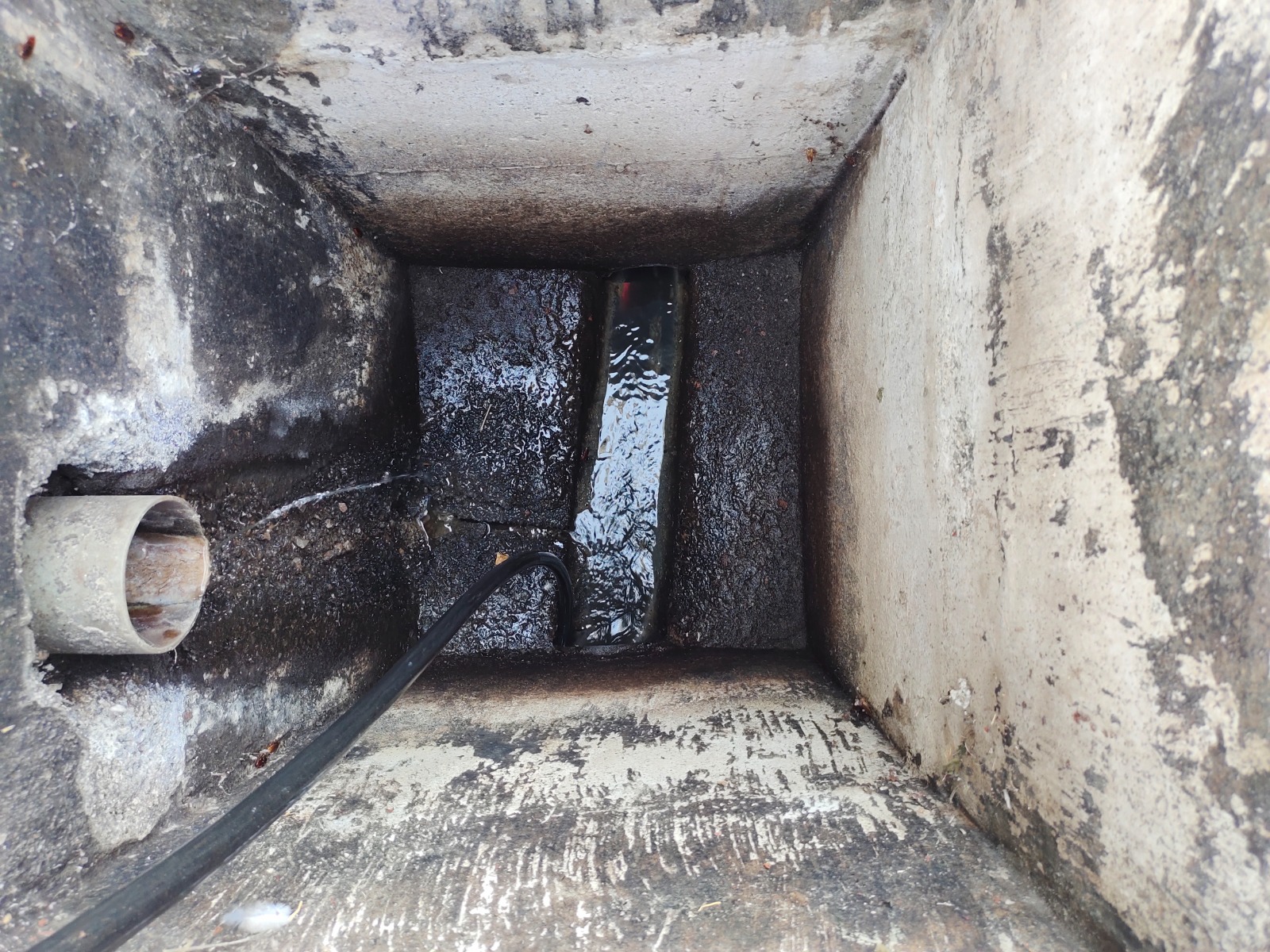
Drainage unblocking involves clearing obstructions in pipes, drains, or sewers to restore proper water flow. These blockages can occur due to various factors, including grease buildup, foreign objects, tree root intrusion, or debris. Unblocking ensures that water flows freely, preventing any disruptions to daily activities or potential property damage.
Types of Drainage Blockages in UAE
Drainage blockages can occur due to various reasons. Here are some common types of drainage blockages:
1. Grease and Fat Build-up
Grease, fats, and oils from cooking can build up inside pipes over time, creating a sticky residue that traps food and debris, leading to blockages.
2. Hair Accumulation
Hair, particularly in bathrooms and showers, can easily clog drains by tangling together and forming a dense mat that blocks water flow.
3. Soap Scum
Soap, especially bar soap, can combine with minerals in water to create soap scum that coats pipes, narrowing them and contributing to clogs.
4. Food Waste
In kitchen sinks, food particles that aren’t properly disposed of can accumulate and cause blockages, particularly in garbage disposals or drain traps.
5. Tree Roots
In older or underground pipes, tree roots can infiltrate and cause physical damage or create blockages as they grow inside the pipes.
6. Foreign Objects
Small objects like toys, jewelry, paper towels, or sanitary products can accidentally get flushed down toilets or washed into drains, causing blockages.
7. Debris and Dirt
In outdoor drains, leaves, dirt, and other debris can accumulate, especially in the rainy season, leading to blockages.
8. Mineral Build-up
In areas with hard water, mineral deposits such as calcium and lime can accumulate inside pipes, causing blockages or restricting water flow.
9. Broken or Collapsed Pipes
Structural damage to pipes, such as cracks, misalignment, or collapse, can obstruct water flow and cause significant blockages.
10. Old Pipes
Over time, pipes may corrode or deteriorate, leading to blockages or the need for replacements due to the buildup of waste materials.
Why is Drainage Unblocking Important?
Prevent Water Damage
Blocked drains can cause water backups that damage floors, walls, and foundation.
Health Risks
Stagnant water in drains can breed bacteria, leading to health hazards.
Odor Control
Blockages can cause foul odors to emanate from drains.
Prevent Plumbing Emergencies
Regular unblocking can prevent the need for costly plumbing repairs.
Methods for Drainage Unblocking in UAE
1. Plunger
How it works:
A plunger can be used to create suction and force the blockage out of the drain.
Best for:
Toilet, sink, or bathtub drains.
How to use:
Place the rubber cup of the plunger over the drain opening, ensure it's sealed tightly, and pump it up and down several times before pulling it up to release the pressure.
2. Drain Snake (Plumbing Auger)
How it works:
A long, flexible coil of steel that can reach deep into the drain to break apart or remove blockages.
Best for:
Tough blockages, including grease buildup and tree roots.
How to use:
Insert the end of the snake into the drain and turn the handle to push it deeper. Keep turning until the blockage is cleared, then pull the snake out.
3. Chemical Drain Cleaners
How it works:
These are powerful chemical solutions that dissolve clogs.
Best for:
Hair clogs or grease buildup in kitchen sinks.
How to use:
Pour the cleaner into the drain as per the instructions, and let it sit for the recommended time before flushing it with hot water.
4. Baking Soda and Vinegar
How it works:
A natural, non-toxic alternative to chemical drain cleaners.
Best for:
Minor blockages and odor removal.
How to use:
Pour about half a cup of baking soda into the drain followed by half a cup of vinegar. Let it sit for 30 minutes, then flush with hot water.
5. High-Pressure Water Jetting
How it works:
A specialized machine uses high-pressure water to clear blockages in pipes.
Best for:
Serious blockages like grease or mineral deposits in larger drainage systems.
How to use:
A professional typically performs this method by feeding a hose with a nozzle into the drain and blasting the water through to break up the clog.
6. Manual Removal
How it works:
This involves physically removing the blockage, often by removing the trap or disassembling parts of the drain.
Best for:
Easily accessible clogs, such as in sink traps.
How to use:
Use a wrench to remove the trap or pipe, then manually remove the clog before reassembling the plumbing.
7. Wet/Dry Vacuum
How it works:
A wet/dry vacuum can suck up water and debris from clogged drains.
Best for:
Removing loose debris or smaller blockages.
How to use:
Set the vacuum to liquid mode, create a tight seal over the drain, and turn it on to suck out the blockage.
When Should You Call a Professional?
Recurring Blockages:
If drains are frequently clogging, professional help may be needed to identify underlying issues.
Slow Draining:
Water draining slowly can indicate a partial blockage.
Bad Odor:
Unpleasant smells coming from the drain can be a sign of a more severe issue.
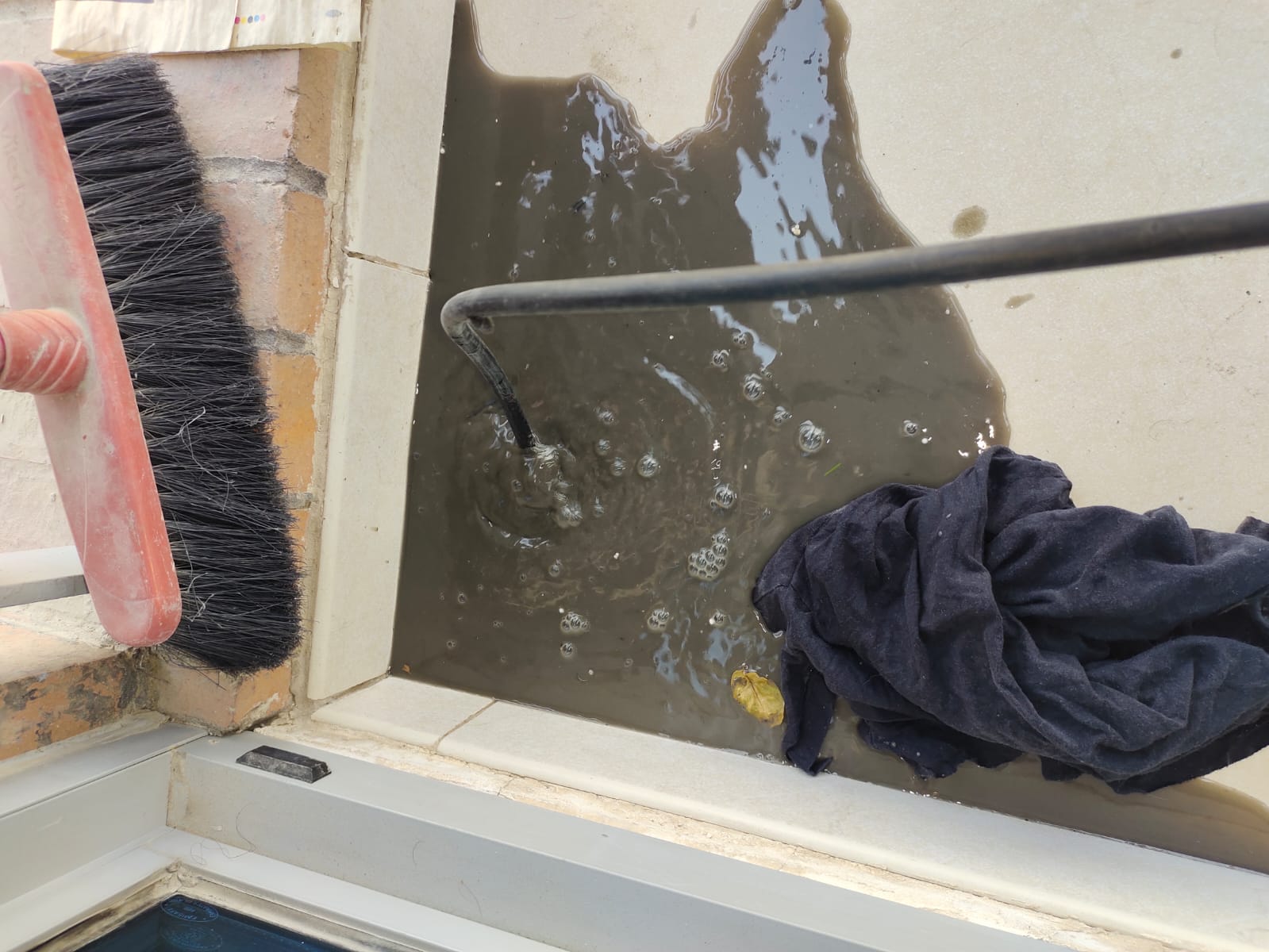
Water Backflow:
If water is backing up into your home, a professional should inspect the drainage system.
Frequently Asked Questions About Drainage Unblocking Works in UAE
Q1. What causes drain blockages?
A. Drain blockages can occur due to the accumulation of hair, grease, soap, food particles, tree roots, or foreign objects in the pipes.
Q2. Can I unblock the drain myself?
A. Yes, simple blockages can often be cleared using tools like plungers or drain snakes. However, severe blockages or recurring issues should be addressed by professionals.
Q3. How long does the drainage unblocking process take?
A. The time required depends on the blockage's severity. Minor blockages can be cleared in a few hours, while more complex issues may take longer.
Q3. Are chemical cleaners safe for my drains?
A. Chemical cleaners should be used cautiously, as they can damage pipes over time if used excessively. Opt for eco-friendly and non-corrosive solutions.
Q4. Can tree roots damage my drains?
A. Yes, tree roots can grow into pipes, causing blockages and even pipe damage. Professional drain services may need to remove the roots and repair any pipe damage.
Q5. How can I prevent future blockages?
A. Regular maintenance, avoiding flushing foreign objects, and using drain guards to catch hair and debris can prevent blockages.
Q6. Is hydro jetting safe for my pipes?
A. Hydro jetting is safe when performed by professionals. It uses high-pressure water to clean drains without damaging pipes.
Q7. What should I do if there’s water backflow?
A. Immediately call a professional to inspect your drainage system. Water backflow can indicate a serious blockage or issue with the main sewer line.