Mahathma Nature Cure Center
Bakkalam Kannur - Kerala
Products & Services:
Naturopathy Treatment Centers in Kerala, Nature Cure Treatment Centers in Kerala, Fasting Therapy Ce More..
Since : 1984
Bakkalam Kannur - Kerala
Products & Services:
Naturopathy Treatment Centers in Kerala, Nature Cure Treatment Centers in Kerala, Fasting Therapy Ce More..
Since : 1984


MAHATHMA NATURE CURE CENTER
Mahathma Nature Cure Center, Mahathma Road,
Bakkalam Kannur,
Kerala, 670562
Phone number: +91 9387303315
Phone number: +91 9387303318
KERALA DIABETES CARE CENTRE
Varkala Road,
Thiruvananthapuram, Kerala, 695141
Phone number: +91 471 260 8899
METRO DIABETES CLINIC
MG Road,
Ernakulam, Kerala, 682016
Phone number: +91 484 236 4455
PRANAVAM DIABETES AND WELLNESS CENTRE
Palakkad Road,
Thrissur, Kerala, 680020
Phone number: +91 487 244 7788
GREEN LIFE DIABETES CARE CENTRE
Manjeri Road,
Malappuram, Kerala, 676121
Phone number: +91 483 273 6677
ADVANCED DIABETES CARE CENTRE
Mavoor Road,
Kozhikode, Kerala, 673004
Phone number: +91 495 272 5566
AYUR NATURO DIABETES HOSPITAL
Kottayam Town,
Kottayam, Kerala, 686001
Phone number: +91 481 256 8899
NATURE LIFE DIABETES CARE CENTRE
Alappuzha Beach Road,
Alappuzha, Kerala, 688012
Phone number: +91 477 225 6677
HEALTHY LIVING DIABETES CLINIC
Kannur Town,
Kannur, Kerala, 670001
Phone number: +91 497 271 4455
SANJEEVANI DIABETES CARE CENTRE
Kollam Bypass Road,
Kollam, Kerala, 691001
Phone number: +91 474 275 7788
Townin.com has listed some of the most trusted diabetes mellitus treatment centres in Kerala. Many of these centres are included after careful verification through field visits or telephonic confirmation, ensuring users receive reliable and accurate contact details for effective diabetes management and care.
Diabetes,
especially Type 2 Diabetes, is often considered a chronic, progressive
disease. However, emerging research and patient outcomes show that it is possible
to reverse Type 2 Diabetes—meaning bringing blood sugar levels into a
healthy range without the need for medications. Diabetes reversal focuses on
lifestyle modifications, strategic nutrition, and in some cases, medical
therapies that address the root causes of insulin resistance.
Understanding Diabetes Reversal
Diabetes
reversal refers
to the process through which individuals with Type 2 Diabetes are able
to reduce their blood sugar levels to a non-diabetic range without the use
of medications, particularly insulin or oral hypoglycemics. The term
"reversal" is used to indicate that although the condition is not cured,
it can be placed into remission, meaning blood glucose levels are normal
and the individual no longer meets the criteria for diabetes.
What Exactly is Reversal
Reversal
means bringing down the HbA1c level to below 6.5%, maintaining fasting
blood sugar below 100 mg/dL, and doing so without ongoing medication.
This typically requires sustainable lifestyle and nutritional changes that
target the underlying causes of diabetes—especially insulin
resistance and excess body fat, particularly visceral fat
around the abdomen and liver.
Why Only Type 2 Diabetes
Reversal
is mostly possible in Type 2 Diabetes, where lifestyle plays a major
role in disease onset and progression. Type 1 Diabetes, on the other hand, is
an autoimmune condition in which the body destroys insulin-producing beta
cells. While Type 1 can be managed very effectively, it cannot be reversed.
Core Principle Behind Reversal
The core
mechanism behind reversal is improving insulin sensitivity and reducing
the metabolic load on the pancreas. When fat accumulates in the liver
and pancreas, insulin resistance increases. By reducing this fat—primarily
through dietary changes, exercise, and sometimes medical
interventions—the body regains its ability to regulate blood glucose
naturally.
Clinical Evidence Supporting Reversal
Numerous
studies support the concept of diabetes reversal:
Common Misconceptions
a. Personalized Nutrition Planning
Nutrition
is the cornerstone of any reversal strategy. Reducing carbohydrate intake,
especially refined sugars, allows the pancreas to rest and insulin sensitivity
to improve.
Common
dietary strategies:
These
plans reduce insulin demand, improve fat metabolism, and encourage weight loss.
b. Supervised Intermittent Fasting
Under
medical supervision, intermittent fasting can help regulate insulin, reduce
inflammation, and promote fat loss. Common methods include:
c. Exercise and Physical Activity
Exercise
improves insulin sensitivity and glucose uptake by muscles.
Recommended:
d. Stress Management
Chronic
stress raises cortisol, which increases blood sugar levels. Managing stress
through:
e. Medical Supervision and Monitoring
Working
with endocrinologists, diabetologists, and nutritionists helps in:
Several
natural interventions may support diabetes reversal when combined with
lifestyle changes.
Examples:
Always
consult a healthcare provider before starting any supplements.
Bariatric Surgery: For Severe Cases
In cases
where lifestyle interventions don’t lead to sufficient improvement, bariatric
surgery (especially gastric bypass) has shown strong evidence for diabetes
remission in obese individuals.
Benefits:
However,
this option is usually considered when BMI is >35 and lifestyle changes
haven’t succeeded.
Long-Term Maintenance After Reversal
Achieving
reversal is only the beginning—sustaining remission requires continuous
effort.
Tips for
long-term success:
What is diabetes reversal?
Diabetes
reversal refers
to achieving normal blood sugar levels (HbA1c below diabetic range) without the
need for diabetic medications or insulin, primarily through diet and lifestyle
changes.
Can Type 1 Diabetes be reversed?
No, Type
1 Diabetes is an autoimmune condition where insulin-producing beta cells
are destroyed. It cannot be reversed, but better management is possible with
technology and medical support.
How long does it take to reverse Type 2 Diabetes?
It
depends on the individual. Some people see dramatic improvements in 3-6
months, while others may take longer. Factors include starting weight,
insulin resistance, and adherence to lifestyle changes.
Is medication necessary during the reversal
process?
In early
reversal efforts, medications may be needed. As insulin sensitivity improves
and glucose levels stabilize, a doctor may reduce or eliminate medications
gradually.
Can diabetes come back after reversal?
Yes, relapse
is possible if healthy lifestyle practices are abandoned. Continued
monitoring and healthy habits are crucial to maintain remission.
What foods help reverse diabetes?
Foods
that stabilize blood sugar and improve insulin function include:
Avoid
refined carbs, sugary drinks, and processed foods.
Is intermittent fasting safe for diabetics?
Yes, under
medical supervision, intermittent fasting can be safe and effective. It's
important to avoid hypoglycemia, especially if on blood sugar-lowering
medications.
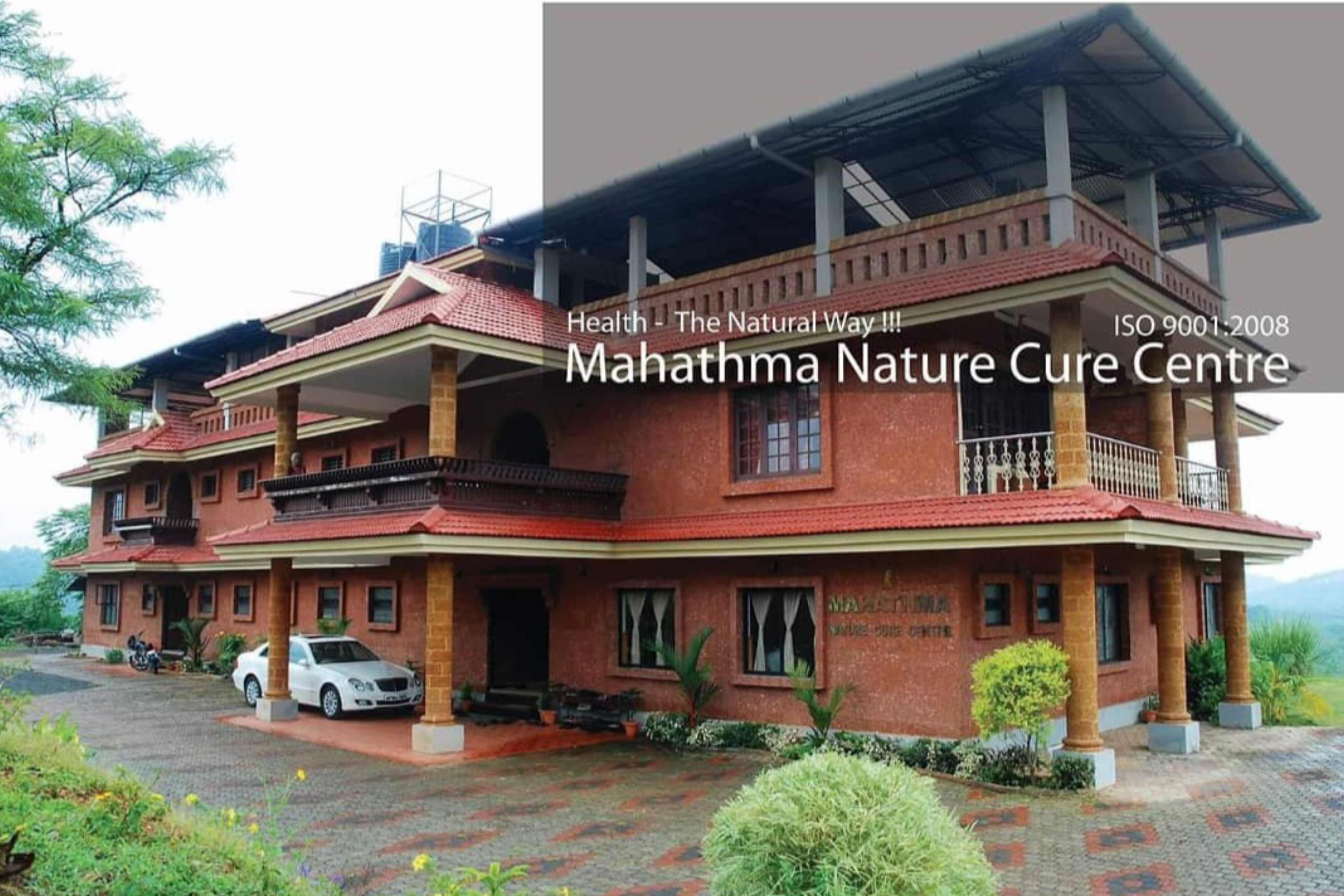
Kerala, Bakkalam Kannur

Kerala, Bakkalam Kannur
Latest Customer Reviews
"A treatment center that aligns with nature, featuring a hospital structure desiqned in an eco-friendlv manner. The facilitv. situated atop a hill offers fresh air and stunning natural vistas. Guests can select from a range of accommodations, including a general ward at the most economical price、 as well as a deluxe room, which is elegantly adorned with meticulous attention to detail The balconv of the deluxe provides breathtaking room views of the surrounding landscape."