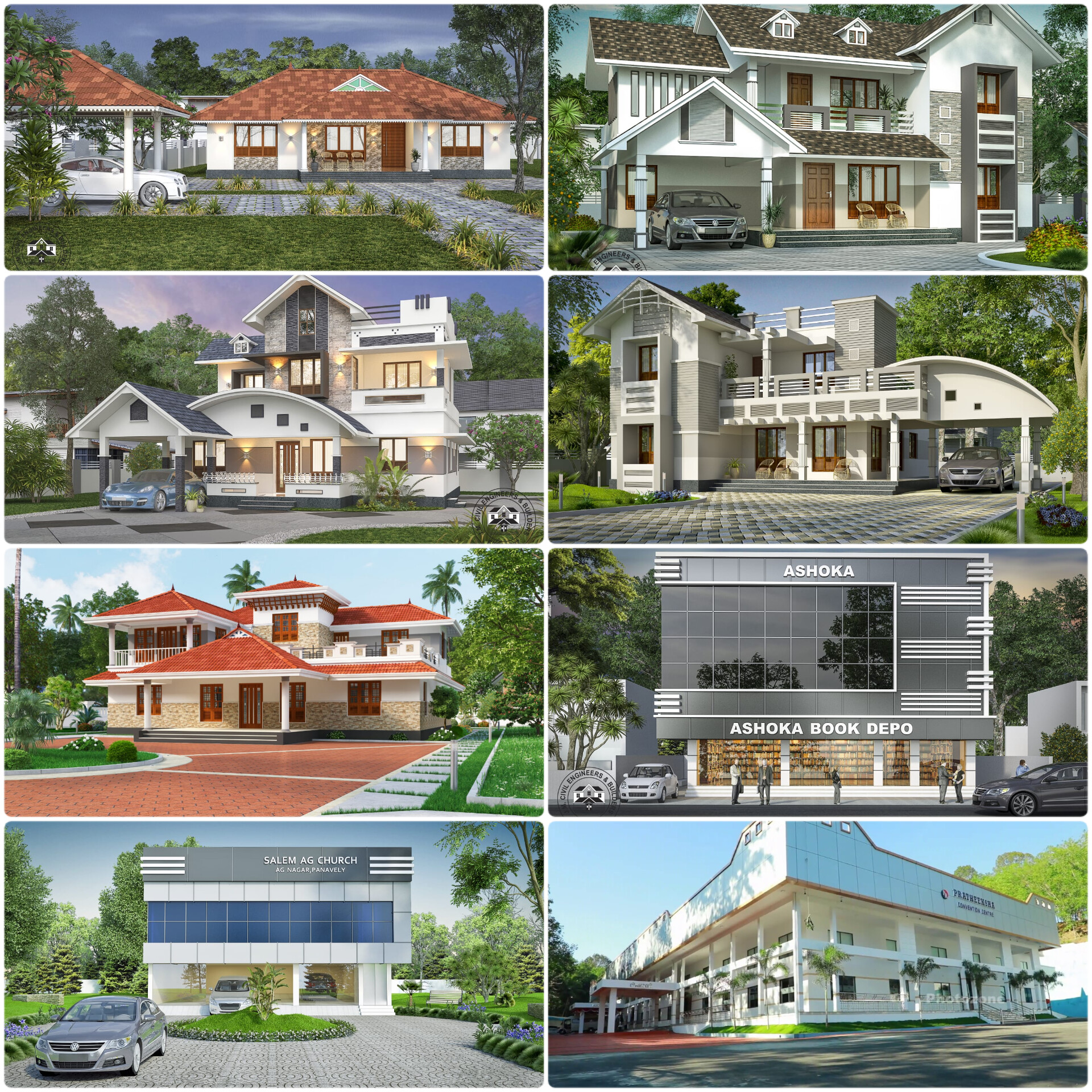
Interior Designing Companies in Kerala-Top verified list
JM Architects Civil Engineers and Builders
Vimalambika Building, Kottarakkara,
Kollam, Kerala, 691531
Phone number +91 7907308982
Phone number +91 9447717171
Mint Decor
No.13/221, Kokkappilly P.O, Thiruvaniyur,
Kochi, Kerala, 682305
Phone number 7902220704
Phone number 9995406254
Inside Design India
Plot No. 90, Industrial Estate, Near IOC Pump,
Kochuveli, Trivandrum, Kerala, 695021
Phone number +91 93888 18727
Phone number +91 90720 18727
1000 Kitchens and Interiors
Bldg No: 7/369-c, Choolissery P O,
Kolangattukara, Thrissur, Kerala, 680541
Phone number +91 7025991000
Shilpakala Interiors – Kochi Office
32/1297-C (6), 2nd Floor, Joson Plaza,
Pipeline Road, Palarivattom, Kochi, Kerala, 682025
Phone number 91-0484-3525622
Phone number 91-9847394959
Fabdec Interiors Pvt Ltd
KNA Plaza, 3rd floor, #14/390/E6, Kundanoor,
Maradu, Ernakulam, Kerala, 682404
Phone number +91 9747 508 222
Phone number +91 9747 544 499
Suvarnarekha Design Consultants
Trio-Chambers, Kanjikuzhy,
Kottayam, Kerala, 686004
Phone number +91 9446541538
Phone number 0481-2571538
Kitchens Koncepts & Dekors
Opp. Sreepuram School, N.H Pallikunnu,
Kannur, Kerala, 670004
Phone number +91 9040 103080
Phone number 0497 2764500
Woodnest Interiors (Thrissur)
Woodnest Developers, 1st Floor, Swarnam Towers,
Chalakudy, Thrissur, Kerala, 680307
Phone number listed on verification (local listing available)
Roopam Constructions & Interiors
Asokapuram, Aluva,
Kerala, 683101
Phone number +91 94470 39184
Phone number +91 484-2839184
Harmony Interiors & Decorators
40/6133, 3rd Floor, Lalan Towers, High Court Junction,
Ernakulam, Kerala, 682031
Phone number +91 98460 78117
Phone number +91 484-3296419
Townin.com has listed some of the most trusted interior designing companies in Kerala, featuring verified contact details such as addresses and phone numbers for your convenience. Some entries have been published after verification by field visits or telephonic confirmation to ensure reliability and accuracy for users seeking professional design services.
Interior Designers in Kerala
Interior designers
are professionals who possess a unique combination of engineering expertise,
ingenuity, and a keen understanding of spatial configurations. They strive to
improve the aesthetics and functionality of the interiors of residential and
commercial spaces. Interior designers who are reputable work in conjunction
with clients to transform their visions into practical realities. While shaping
the visual appeal and functionality of the interior spaces, they adhere to
construction prerequisites, safety restrictions, and budgetary constraints.
Interior designers
are creative professionals who specialize in transforming indoor spaces into
functional, beautiful, and inspiring environments. Their work goes beyond mere
decoration; it involves space planning, color coordination, material selection,
lighting design, and understanding how people interact within a space. Whether
it's a cozy home, a modern office, or a luxurious hotel, interior designers
play a crucial role in shaping the atmosphere and functionality of interiors.
They begin by
analyzing the client’s lifestyle, preferences, and space requirements, followed
by creating detailed design concepts, mood boards, and 3D visualizations. Their
ability to blend aesthetics with practicality helps ensure that every inch of
space is used efficiently and purposefully. With expertise in trends, building
codes, and materials, interior designers bring a unique combination of artistry
and technical knowledge to every project.
🧩 Why Hiring an Interior Designer Makes a Difference
Hiring a
professional interior designer can dramatically improve the value, comfort, and
usability of a space. These experts understand how to balance textures, tones,
patterns, and proportions, creating a cohesive and visually pleasing
environment. They work closely with architects, contractors, and furniture
makers to ensure that the design vision is accurately executed.
Interior designers
also help clients save time and money by avoiding costly mistakes and
suggesting smart investments in quality furnishings and finishes. Their access
to exclusive resources, such as premium fabric houses, specialized contractors,
and high-end suppliers, often provides clients with better options and pricing.
Whether renovating a single room or designing an entire property from scratch,
their guidance ensures a stress-free and successful design journey.
Interior Consulting Services in Kerala
In
today’s fast-paced world, interior spaces play a crucial role in enhancing
quality of life and productivity. Whether it’s your dream home or a commercial
office, a well-designed interior doesn't just look good—it functions
efficiently, elevates mood, and communicates a unique identity. That’s where Interior
Consulting Services come in.
Interior
consulting is more than just choosing paint colors or furniture—it’s a
professional approach to understanding your space, lifestyle, needs, and
translating it into practical and aesthetic design solutions. From initial
ideation to final execution guidance, these services help clients make informed
decisions while saving time and money.
What Are Interior Consulting Services?
Interior
consulting refers to expert guidance provided by interior designers or
consultants to improve or transform residential or commercial spaces. It
typically involves:
- Site visits and evaluation
- Design concept development
- Color, material, and finish
selection
- Space planning and layout
optimization
- Furniture and lighting
recommendations
- Theme setting and décor
planning
- Execution supervision
(optional in some services)
Unlike
full-scale design services, consulting focuses more on planning, ideas, and
expert opinions rather than managing every step of implementation. It’s ideal
for clients who want professional input but prefer to execute the work
independently or in phases.
Types of Spaces Served by Interior Consultants
1. Residential Interiors
Consulting
for homes involves making living spaces more functional, cozy, and aligned with
the homeowner’s tastes. This includes:
- Living room and bedroom
makeovers
- Modular kitchen
consultations
- Space-saving furniture
planning
- Colour themes and lighting
plans
2. Commercial & Office Interiors
Businesses
and entrepreneurs seek interior consultants to create productive, brand-aligned
environments. This may cover:
- Workstation layouts and
office flow optimization
- Reception and meeting room
designs
- Branding through design
- Ergonomic furniture
suggestions
3. Retail, Hospitality & Showrooms
From
cafes to clothing stores, consultants help create inviting, experiential spaces
that attract customers:
- Shopfront and signage
placement
- Lighting and product display
layouts
- Ambience planning for
restaurants and spas
- Customer walk-through design
Material Selection and Finishing in Kerala
In the
world of interior design and architecture, the right materials and finishes
can make all the difference between a mediocre and a stunning space. While
layout and furniture set the foundation, it’s the material selection and
finishing touches that define the ambiance, durability, and overall appeal
of any environment.
This
process isn’t just about aesthetics—it directly impacts functionality,
maintenance, cost-effectiveness, and the lifespan of a project. Whether you're
designing a new home, office, or commercial outlet, professional consultation
for material selection and finishing ensures that you choose the best
elements suited to your style, climate, usage, and budget.
What is Material Selection and Finishing in Interior
Design?
Material
Selection refers
to the careful choice of surface materials used in a space—such as wall
finishes, flooring, ceilings, cabinetry, countertops, upholstery, and hardware.
Finishing refers to the treatments or
final touches applied to these materials—like paint, polish, texture,
laminates, veneers, and coatings—to enhance appearance, durability, or both.
The right
selection and combination of materials and finishes enhance:
- Aesthetics (color, texture,
and style)
- Comfort and usability
- Acoustic and thermal
properties
- Maintenance needs and
cleaning ease
- Resistance to moisture,
heat, or wear
Key Areas Where Material Selection Matters
1. Flooring
Choices
include tiles, wood, vinyl, marble, granite, concrete, or carpets. Each has
pros and cons related to durability, cost, and maintenance. High-traffic areas
like living rooms or offices need sturdy, low-maintenance materials, whereas
bedrooms can use softer finishes like wood or carpet.
2. Wall Finishes
Paint,
wallpapers, wood paneling, tiles, stone cladding, textured plasters, or even
exposed brick—walls offer unlimited opportunities to create style statements.
Moisture-prone areas like bathrooms and kitchens require water-resistant
finishes.
3. Ceilings
POP,
gypsum board, wood panels, PVC, or stretch fabric ceilings can dramatically
alter space perception. Finishes like matte, gloss, or texture affect lighting
and atmosphere.
4. Countertops and Surfaces
Used in
kitchens, bathrooms, and utility zones—materials like granite, quartz, solid
surfaces, or stainless steel are chosen for heat resistance, hygiene, and
durability.
5. Cabinetry and Woodwork
Here,
materials like MDF, plywood, particle board, laminates, acrylic, veneer, or
lacquered finishes come into play. Finishing impacts aesthetics, scratch
resistance, and moisture protection.
6. Hardware and Accessories
Handles,
knobs, channels, hinges, and frames are essential to usability and style.
Finishes include matte black, chrome, brass, antique bronze, etc.
Frequently Asked Questions About Interior Designers in Kerala
1. What types of
services do interior designers offer?
Interior designers offer a diverse array of services, including the
conceptualization and organization of spaces, color advisory services,
furniture and material selection, lighting layout, construction supervision,
and more. Additionally, they offer services that specialize in the design of
newly constructed areas, the enhancement of functionality and aesthetics, and
the renovation of existing spaces.
2. Are interior designers available to provide assistance with space
optimization?
Indeed, interior design necessitates the optimization of layout and space
planning. The most effective arrangement of fixtures, furnishings, and
structural elements for optimal functionality and mobility is determined by the
evaluation of the available space by top interior designers.
3. In order to
achieve the best possible outcomes, do interior designers work in conjunction
with contractors and other professionals?
It is true that interior designers frequently collaborate with builders,
contractors, architects, engineers, and other professionals involved in the
development, renovation, or reconstruction project to ensure that the
construction or remodeling endeavor is executed seamlessly and achieves the
desired objective.
4. Are interior
designers involved in healthcare projects?
Indeed, interior designers may also offer their services to commercial
properties, the hospitality industry, hospitals, clinics, and other medical
facilities in addition to residential projects.
5. What is the
method by which interior designers determine the costs and fees affiliated with
their services?
The fee levied by reputable interior designers may be determined by the scale
and complexity of the project, the designer's expertise level and experience,
and the location's accessibility. Interior designers may charge a fixed price,
a percentage of the project cost (5% to 20%), or a combination of both for
their expertise services, depending on these factors.