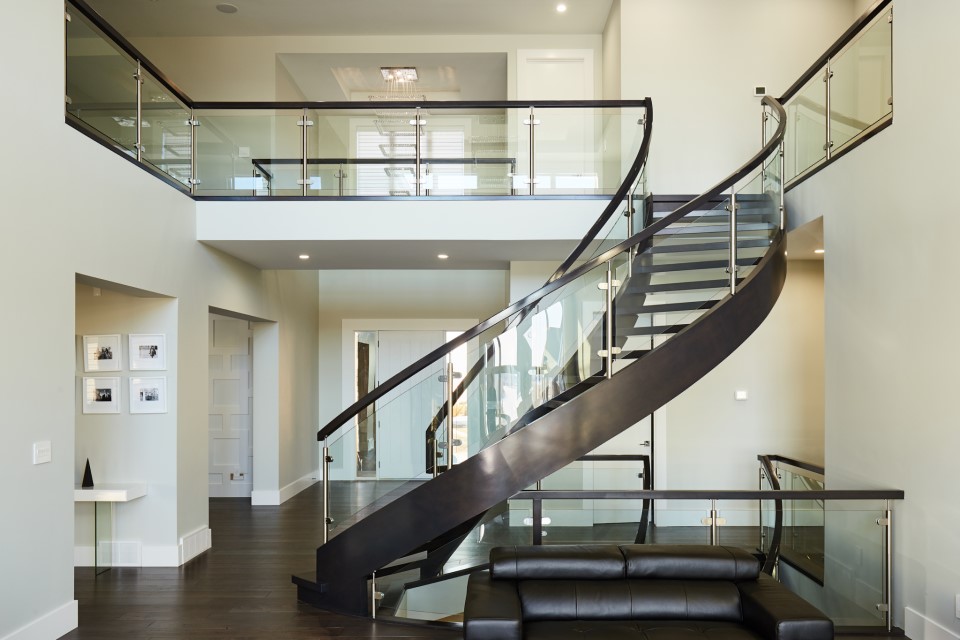
Energy-efficient windows are designed to minimize energy loss in your home, helping to regulate indoor temperatures and reduce the need for heating and cooling. Here are some key features of energy-efficient windows:
1. Low-E Glass (Low-Emissivity Coating):
- Low-E glass has a thin metallic coating that reflects heat while still allowing light to enter. This helps in keeping the house warm during winter and cool during summer.
2. Double or Triple Glazing:
- These windows have two or three layers of glass with air or gas (such as argon) in between, providing better insulation. The extra layers help prevent heat transfer.
3. Gas Fills:
- Gas fills like argon or krypton between the glass layers increase the window's thermal performance by reducing heat transfer.
4. Thermal Breaks:
- A thermal break is a material used between the frame’s interior and exterior components to minimize heat loss through the window frame itself.
5. Insulated Frames:
- Frames made from materials such as vinyl, fiberglass, or wood are more efficient at preventing heat transfer than traditional aluminum frames.
6. Solar Heat Gain Coefficient (SHGC):
- This refers to how well a window blocks heat from sunlight. Lower SHGC means the window will let in less heat, making it ideal for warm climates.
7. Weatherstripping and Seals:
- Proper sealing and weatherstripping around the window edges help reduce drafts and energy loss.
Benefits of Energy-Efficient Windows:
- Lower Energy Bills: By improving insulation and reducing heat transfer, you’ll rely less on air conditioning and heating, saving on energy costs.
- Comfort: They help maintain a more consistent indoor temperature, making your home more comfortable.
- Environmental Impact: Energy-efficient windows reduce your carbon footprint by decreasing energy consumption.
- Noise Reduction: Double or triple-glazed windows can also provide better sound insulation.
Window Installation Process
Proper installation is crucial for the performance and longevity of your windows. The basic steps involved in window installation include:
- Measurement: Accurate measurement of the window opening.
- Removal of Old Windows: Safely removing the existing window and preparing the opening.
- Frame Inspection: Ensuring the window frame is in good condition and making necessary repairs.
- Window Placement and Securing: Properly aligning and securing the new window in place.
- Sealing and Insulation: Using insulation foam and sealants to prevent drafts and leaks.
- Finishing Touches: Adding trim and ensuring smooth operation of the window.
Maintenance and Care of Windows
To prolong the life of your windows, regular maintenance is important. Here are some maintenance tips:
- Cleaning the Glass: Use a soft cloth and a mild detergent to clean the window glass.
- Lubricating Moving Parts: Use silicone spray on hinges, tracks, and other moving parts to ensure smooth operation.
- Inspecting Seals and Caulking: Check for drafts and reseal any gaps to maintain energy efficiency.
- Checking for Damage: Inspect your window frames and glass for any signs of damage or wear and address any issues immediately.
Window Replacement: When to Consider
Sometimes, repairs aren’t enough, and a full window replacement is necessary. Consider replacing your windows if:
- The frames are rotting or warping.
- There are frequent drafts or noticeable temperature changes near the windows.
- Your energy bills have significantly increased due to inefficient windows.
- The windows are difficult to open or close.
- There is condensation buildup between double or triple glazing.
Q1. What is the best type of window for energy efficiency?
A1. Double or triple-glazed windows with Low-E glass and
gas-filled panes (argon or krypton) are considered the best for energy
efficiency. Additionally, thermal break frames can further enhance insulation.
Q2. How long do windows typically last?
A2. High-quality windows can last anywhere from 15 to 30 years
or more, depending on the material, climate, and how well they are maintained.
Q3. Can I install new windows in my house by myself?
A3. While some DIY enthusiasts may attempt window
installation, it is usually best left to professionals. Proper installation is
crucial to ensure the windows are secure, airtight, and energy-efficient.
Incorrect installation can lead to issues like leaks, drafts, and reduced
energy efficiency.
Q4. How do I know if my windows need replacement or repair?
A4. If your windows are drafty, difficult to open or close, or
have condensation between panes, they may need replacement. Minor issues like
broken hardware or weatherstripping can often be repaired, but if the frame or
glass is damaged, replacement might be the best option.
Q5. What is Low-E glass, and why should I consider it?
A5. Low-E (low-emissivity) glass is a special coating applied
to windows to reduce heat transfer. It reflects infrared light (heat) back into
the home in winter and keeps heat out during summer. This can significantly
improve the energy efficiency of your home.
Q6. How often should I clean my windows?
A6. It's a good idea to clean your windows at least twice a
year. However, if you live in an area with a lot of dust, pollen, or sea salt,
you may need to clean them more frequently to prevent buildup and maintain
clarity.
Q7. What is the cost of replacing windows?
A7. The cost of replacing windows varies depending on the type
of window, material, size, and complexity of the installation. On average, you
can expect to pay anywhere from $200 to $1,000 per window, including
installation.
Q8. Can I improve the energy efficiency of my existing windows
without replacing them?
A8. Yes, you can improve the efficiency of your existing
windows by adding weatherstripping, using energy-efficient window coverings,
and applying a window film. Installing storm windows is another option to
improve insulation without fully replacing the windows.
Q9. Are there different window styles for different rooms?
A9. Yes, the style of the window can vary depending on the
room. For example, casement windows are ideal for kitchens as they offer great
ventilation, while bay windows can be perfect for living rooms to create a
spacious and open feel.
Q10. How can I prevent condensation on my windows?
A10. Condensation usually occurs when there's high humidity
inside the home. To prevent it, use a dehumidifier, ensure proper ventilation,
and consider installing double or triple-glazed windows to reduce temperature
differences between the inside and outside.