Kudkys Stone Arch

Kozhikode - Kerala
Products & Services:
Kudkys Stone Arch, Kozhikode, Kerala, Reviews, Contact number, Phone number, Address, Map, Natural S More..
Since : 2008
Kozhikode - Kerala
Products & Services:
Kudkys Stone Arch, Kozhikode, Kerala, Reviews, Contact number, Phone number, Address, Map, Natural S More..
Since : 2008


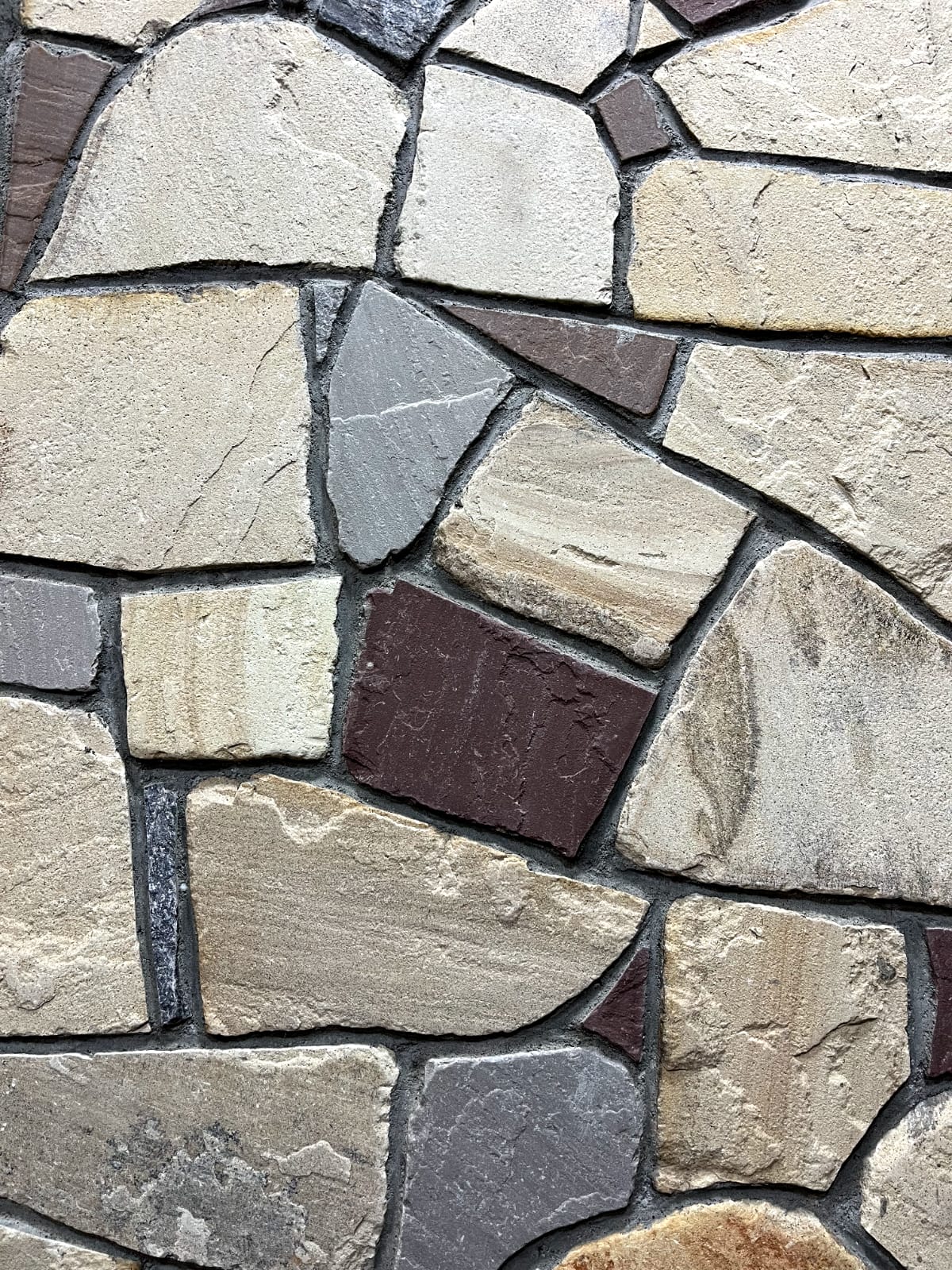
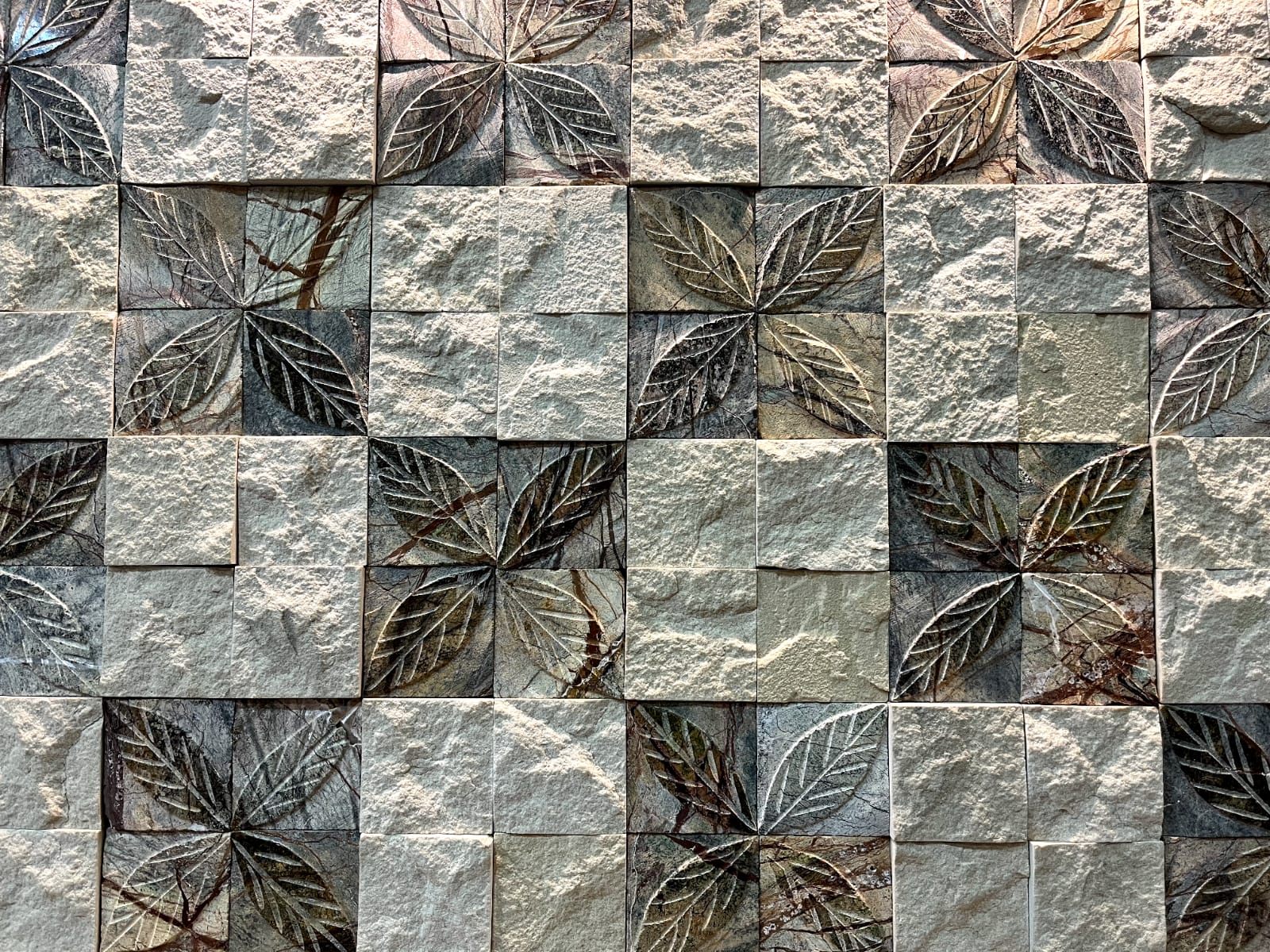
Portugal Lime Stone, renowned for its unique charm and durability, is a popular choice for wall cladding. This natural stone is widely appreciated for its aesthetic appeal, making it an excellent option for both residential and commercial projects. In this article, we will explore what Portugal Lime Stone is, its availability in Kerala, and the diverse sizes offered. Additionally, we will discuss customer expectations when choosing Portugal Lime Stone for wall cladding projects.
Portugal Lime Stone is a sedimentary rock primarily composed of calcium carbonate, formed over millions of years. This stone is typically light in color, with subtle variations that add depth and character to any installation. Its versatility makes it suitable for a wide range of applications, from elegant interiors to striking exteriors.
Kudkys Stone Arch
Address: Amal Arcade, West Hill, Near St Michaels School, Kozhikode, Kerala, 673005
Kerala Stone Traders
Address: Kottakkal Bypass Road, Kottakkal, Malappuram, Kerala, 676503
Kerala Granites
Address: N.H. 47, Kallettumkara, Thrissur, Kerala, 680683
Stonex India
Address: Near Kanjirath Temple, Muvattupuzha, Ernakulam, Kerala, 686673
Rajadhani Stones
Address: Malappuram, Kerala, 676505
Stone Mart
Address: Puthiyangadi, Calicut, Kozhikode, Kerala, 673016
Manikandan Stones
Address: Muthanga, Wayanad, Kerala, 673592
Godavari Stones
Address: Near Chengannur Railway Station, Chengannur, Alappuzha, Kerala, 689121
Sree Raghavendra Stones
Address: Cherthala, Alappuzha, Kerala, 688524
Krishna Stone Works
Address: Puthenvelikara, Ernakulam, Kerala, 683594
In Dubai’s dynamic built-environment, where architectural aesthetics, façade durability and material performance matter, cladding serves as one of the key elements of both form and function. Whether it’s aluminium composite panel installations, stone and metal façades, interior wall cladding or architectural feature walls—choosing the right cladding work is critical.
Cladding contributes to:
Weather protection & durability: Dubai’s climate, with high heat, sand, strong sunlight and occasional moisture demands robust materials and installation details. A well-executed cladding system resists fading, warping, corrosion and structural damage.
Aesthetic branding: In commercial buildings, hotels, retail and high-end residences, the façade and interior wall finishes play a major role in visual impact, resale value and brand perception.
Thermal & acoustic performance: Modern cladding systems often incorporate insulation, ventilation gaps and finishes that assist in energy efficiency and comfort.
Maintenance savings: Over time, high-quality cladding systems reduce repainting, refurbishment and repair costs—especially important in a region where exterior finishes are exposed to harsh conditions.
For property owners and developers in Dubai, engaging verified cladding works specialists gives the confidence that project schedules, quality standards and material warranties are aligned with market demands.
Selecting the right contractor ensures the success of your façade or interior cladding project. Consider the following:
Portfolio and experience: Review prior projects (façade/feature wall/interior cladding) in Dubai. Are finishes aligned, seams neat, materials current?
Materials and system details: Ask for specifications – panel types (ACP, stone, metal, glass), anchoring system, insulation, weather and fire performance.
Compliance and safety: Ensure the contractor understands local code requirements (weather resistance, fire rating, structural anchorage) and uses tested materials.
Project coordination: Cladding work is often part of larger construction sequences (M&E, façades, interior fit-out). The specialist must manage interfaces, logistics and scheduling.
Post-installation service: Finishes on exterior walls need cleaning, inspection, maintenance; ensure provider offers after-sales or warranty support.
Reputation and verification: Using contractors listed in reputable directories with verified contact details (as above) gives added assurance in the Dubai market.
Timing influences budget, quality and execution. In Dubai:
Schedule cladding after major structural and M&E work is substantially completed, to avoid damage and ensure anchor points are accessible.
Consider weather conditions: exterior works benefit from moderate conditions (not during heavy sand/dust storms or extreme heat) for safety and finish quality.
Align with finishing trades: any façade cladding should coordinate with windows, sealing, thermal insulation and exterior landscaping.
For interior wall cladding or feature walls, schedule in the fit-out phase but before heavy furniture or tenant move-in.
Proper scheduling ensures a smoother process, minimizing delays and rework.
Well-executed cladding solutions pay dividends through durability, low maintenance and reduced risk of façade degradation. In Dubai’s environment of strong sun, dust, occasional humidity and heavy usage, high-quality cladding helps retain building aesthetics and reduces life-cycle costs. Owners benefit from fewer repairs and higher property value.
Modern cladding transcends simple panel installation. It enables architectural expression—curves, cantilevers, built-in lighting, media walls, textured finishes—and offers functional benefits like insulation, acoustic control, and fire-rated surfaces. Compared to standard finishes, it adds both form and performance.
If a façade shows signs of wear—peeling panels, stains, leaks, warping—or if building owners plan a re-brand, refurbishment or high-end tenant upgrade, then investing in new cladding makes sense. Similarly, for new builds in Dubai with design ambition, incorporating advanced cladding from the start ensures quality and longevity.
Façade and wall cladding are complex – material supply, precision installation, alignment, anchoring, weather sealing, fire compliance. Verified specialists in Dubai bring insight on local suppliers, logistics, weather conditions, finishing trades and maintenance regimes. Selecting a listed provider reduces risk of discrepancy and improves outcome.
Cladding is the process of applying an external layer or skin to a building or interior wall—often using panels (metal, ACP, stone, glass, composite)—to improve weather resistance, aesthetics, insulation and performance. Standard wall finishes may simply involve plaster and paint or tiles, lacking the structural anchorage, performance and longevity of professional cladding systems.
Costs vary widely depending on material (stone, metal, ACP, glass), size, complexity, anchoring system, insulation and finishing. Cladding tends to carry higher upfront cost than simple finishes but offers greater durability, lower maintenance and higher value—resulting in better lifetime cost for buildings.
Yes. Modern cladding enables custom shapes, textures, finishes, integrated lighting, media wall inserts, cantilevered forms and architecturally-expressive surfaces. Designers in Dubai leverage cladding to create signature façades and interior feature walls.
Installation involves anchoring systems, panel fixing, sealing, finishing and checks. Depending on size and material, exterior cladding may take weeks to months for multi-storey buildings. Proper weather sealing and finishing are critical for long-term performance.
When correctly designed and installed, cladding systems are highly durable—resisting weather, UV, pollution, mechanical impact, staining and corrosion. They maintain appearance and structural integrity for many years with minimal maintenance.
Minor repairs (panel replacement, res-ealing) are manageable. Major modifications (changing entire façade layout or materials) can be complex because of anchoring systems and structural integration—so design upfront should consider future adaptability.
Maintenance involves periodic inspection of joints/seals, cleaning of exterior surfaces (especially in dusty environments), replacing damaged panels or sealants, and ensuring drainage and anchorage remain effective. Choosing quality materials reduces maintenance frequency.
Yes. In Dubai, fire performance is crucial—materials must meet regulatory fire rating standards (e.g., non-combustible stone, fire-rated metal systems). Always check certifications, material approval and installation compliance.
Absolutely. Advanced cladding systems can integrate insulation layers, LED lighting strips, concealed wiring, ventilation behind panels, photovoltaics and even green planting systems. This multifunctionality adds value to building façades and interiors.
They should check: past portfolio of similar scale, material certifications, anchoring/mounting detail, compliance with fire and weather standards, warranty and service terms, ability to manage logistics and finish quality, and local after-sales support. Working with verified specialists improves project outcome.
Kerala, Kozhikode
Kerala, Kozhikode