Al Waleed Refrigerant Gas Industry L.L. C

Fish Round About - Dubai
Products & Services:
refrigerant recovery UAE, refrigerant reclamation Dubai, refrigerant gas industry UAE, ISO tanks ren More..
Since : 2011
Fish Round About - Dubai
Products & Services:
refrigerant recovery UAE, refrigerant reclamation Dubai, refrigerant gas industry UAE, ISO tanks ren More..
Since : 2011

Al Waleed Refrigerant Gas Industry L.L. C
Technical Building 507, Salah Al Din Street Al Muteena Deira, Fish Round About, Dubai, 19647
Phone number: +971 56 546 3744
Lonestar Technical Services LLC
Building 215-404, 5th Street, Umm Ramool, Dubai
Phone number: +971 4 324 3888
SGS Gulf Limited
Dubai Investments Park, Dubai
Phone number: +971 4 885 1001
Gulf Cryo Corporate Office
First Floor, Arabian Industrial Gases Building, Dubai Investment Park 1, Dubai
Phone number: +971 4 809 0000
General Tech Services LLC
Al Qusais Industrial Area 1, Dubai
Phone number: +971 4 267 2181
Falcon Laboratory LLC
Ras Al Khor Industrial Area 2, Dubai
Phone number: +971 4 221 2333
METS Laboratories LLC
23 16B St, Ras Al Khor Industrial Area 1, Dubai
Phone number: +971 58 950 5070
Omega Measuring & Calibration Laboratory
Al Quoz Industrial Area 4, Dubai
Phone number: +971 4 341 3680
Refrigerants Trading LLC
Showroom No 6, Al Budoor Building, Near Union Metro Station, Deira, Al Rigga, Dubai
Phone number: +971 4 882 0400
Aura Cool Air Condition Trading Co LLC
Al Quoz Industrial Area 4, Dubai
Phone number: +971 4 282 3466
townin.com has listed the most trusted companies here, and several of these profile details were published after strict verification through direct field visits or telephonic confirmation to help users access authentic contact channels.
Gas detection systems are essential safety tools designed to monitor and detect hazardous gases in industrial, commercial, and residential environments. These systems provide early warnings to prevent accidents, protect human life, and maintain operational safety. Industries such as oil and gas, chemical processing, mining, and manufacturing heavily rely on gas detection systems to ensure workplace safety and compliance with environmental regulations.
Gas detection systems are devices that identify the presence of harmful or combustible gases in the air. They use various sensors, including electrochemical, catalytic, infrared, and ultrasonic sensors, to monitor gases such as carbon monoxide, methane, hydrogen sulfide, and ammonia. Once a dangerous level of gas is detected, the system triggers alarms, enabling personnel to take immediate action. Advanced gas detection systems may also integrate with automated shutdown systems and ventilation controls to prevent accidents and minimize damage. Gas detection systems are critical safety devices designed to detect the presence of hazardous gases in industrial, commercial, and residential environments. They play a vital role in protecting human lives, equipment, and property by providing early warnings of toxic, flammable, or oxygen-deficient atmospheres.
Gas Sensors – Detect specific gases like CO, H₂S, CH₄, O₂, and toxic industrial gases. Sensors can be electrochemical, catalytic, infrared, or semiconductor-based.
Control Unit – Processes signals from sensors and triggers alarms or safety protocols when gas concentrations exceed preset limits.
Alarm Devices – Visual and audible alarms alert personnel to dangerous gas levels.
Data Logging & Communication – Some systems offer real-time monitoring, remote alerts, and integration with SCADA systems for industrial safety management.
Oil & Gas Industry – Detecting flammable gases in refineries, pipelines, and offshore platforms.
Chemical Plants – Monitoring toxic or corrosive gas leaks to ensure worker safety.
Mining Industry – Detecting methane and other hazardous gases to prevent explosions.
Industrial Manufacturing – Ensuring safe working environments in welding, painting, and chemical processing areas.
Laboratories & Research Facilities – Monitoring experimental setups involving hazardous gases.
Residential & Commercial Buildings – Detecting gas leaks from LPG, natural gas, or CO to prevent accidents.
Early Warning & Safety – Alerts personnel before gas levels reach dangerous concentrations.
Regulatory Compliance – Helps industries meet OSHA, NFPA, and other safety standards.
Continuous Monitoring – Provides real-time detection, ensuring continuous safety.
Accident Prevention – Reduces the risk of fires, explosions, and health hazards.
Versatility – Suitable for industrial, commercial, and residential applications.
Gas detection systems are widely used across multiple industries. In the oil and gas sector, they monitor pipelines, storage tanks, and refineries to prevent leaks and explosions. In chemical plants, they detect toxic gases to protect workers and prevent contamination. Mining operations use these systems to monitor underground air quality and prevent suffocation or explosions. Additionally, commercial and residential applications include monitoring carbon monoxide, natural gas, and other hazardous gases to ensure occupant safety. These systems are critical for both safety compliance and operational efficiency.
Gas detection systems are crucial for maintaining safety, operational efficiency, and regulatory compliance across a wide range of industries. They continuously monitor environments for the presence of toxic, flammable, or oxygen-deficient gases, preventing accidents and protecting personnel and equipment.
Detects flammable gases, hydrocarbons, and toxic emissions in refineries, pipelines, and offshore rigs.
Prevents fires, explosions, and environmental hazards.
Monitors toxic, corrosive, and volatile gases in chemical processing areas.
Ensures worker safety and process integrity.
Detects gases like methane and carbon monoxide in underground mines.
Protects miners from hazardous and explosive conditions.
Used in welding, painting, and production areas to monitor air quality.
Prevents accidents caused by gas leaks or accumulation.
Ensures safe handling of experimental gases and chemical reactions.
Protects researchers from exposure to toxic substances.
Monitors for LPG, natural gas, or carbon monoxide leaks in homes, offices, and public spaces.
Provides early alerts to prevent fires and health hazards.
Detects hydrogen, carbon monoxide, and other gases in power generation and storage areas.
Maintains safe operating conditions and protects equipment.
Early Detection – Alerts personnel before gas levels become dangerous.
Accident Prevention – Reduces risks of fires, explosions, and toxic exposure.
Continuous Monitoring – Ensures real-time safety in critical areas.
Regulatory Compliance – Meets safety standards like OSHA, NFPA, and IEC.
Versatility – Suitable for a wide range of industrial, commercial, and residential applications.
Investing in reliable gas detection systems provides numerous advantages. They enhance workplace safety by providing early warnings, reducing the risk of accidents and fatalities. Gas detection systems also help businesses comply with regulatory standards, avoiding fines and legal issues. They improve operational efficiency by preventing equipment damage and costly downtime caused by gas leaks. Moreover, these systems foster a culture of safety, ensuring that employees are aware of potential hazards and can respond promptly in emergencies.
Gas detection systems are essential safety devices that protect people, property, and the environment from the dangers of toxic, flammable, or oxygen-deficient gases. Implementing these systems brings a range of benefits across industrial, commercial, and residential applications.
Provides immediate alerts when dangerous gas levels are detected.
Prevents accidents, fires, explosions, and health hazards before they escalate.
Protects employees from exposure to toxic or harmful gases.
Ensures a safer working environment, boosting employee confidence and compliance.
Helps businesses meet OSHA, NFPA, IEC, and other safety standards.
Avoids legal penalties and fines associated with non-compliance.
Offers real-time detection and logging, ensuring constant surveillance of critical areas.
Enables timely decision-making in case of emergency situations.
Prevents damage to machinery, pipelines, and infrastructure caused by gas leaks.
Reduces operational downtime and maintenance costs.
Applicable in oil & gas, chemical plants, mining, manufacturing, laboratories, and residential areas.
Monitors a wide range of gases including CO, H₂S, CH₄, O₂, and volatile organic compounds.
Provides reassurance that hazardous gas exposure is being actively monitored, promoting confidence for employees and management.
1. What is a gas detection system?
A gas
detection system monitors the presence of hazardous or combustible gases and
alerts personnel in case of danger.
2. Which industries use gas detection systems?
Oil and
gas, chemical processing, mining, manufacturing, and residential/commercial
buildings.
3. What types of sensors are used in gas detection
systems?
Electrochemical,
catalytic, infrared, and ultrasonic sensors are commonly used.
4. What gases can these systems detect?
Carbon
monoxide, methane, hydrogen sulfide, ammonia, and other toxic or combustible
gases.
5. How do gas detection systems alert users?
They
trigger audible alarms, visual indicators, or automated shutdowns when
dangerous gas levels are detected.
6. Are gas detection systems mandatory?
In many
industrial environments, they are required by law for safety compliance.
7. Can gas detection systems integrate with
automation systems?
Yes,
advanced systems can integrate with ventilation, alarms, and shutdown
mechanisms.
8. How often should gas detection systems be
maintained?
Regular
inspection, calibration, and sensor replacement are recommended for reliable
operation.
9. Can gas detection systems prevent accidents?
Yes, by
providing early warnings, they reduce the risk of explosions, poisoning, and
equipment damage.
10. Are there portable gas detection systems?
Yes,
handheld and wearable gas detectors are available for mobile monitoring and
personal safety.
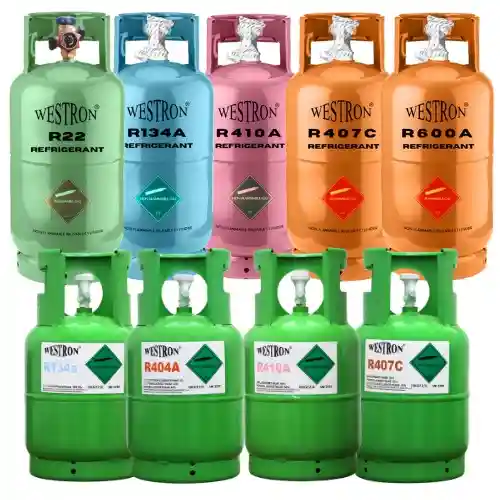
Dubai, Fish Round About
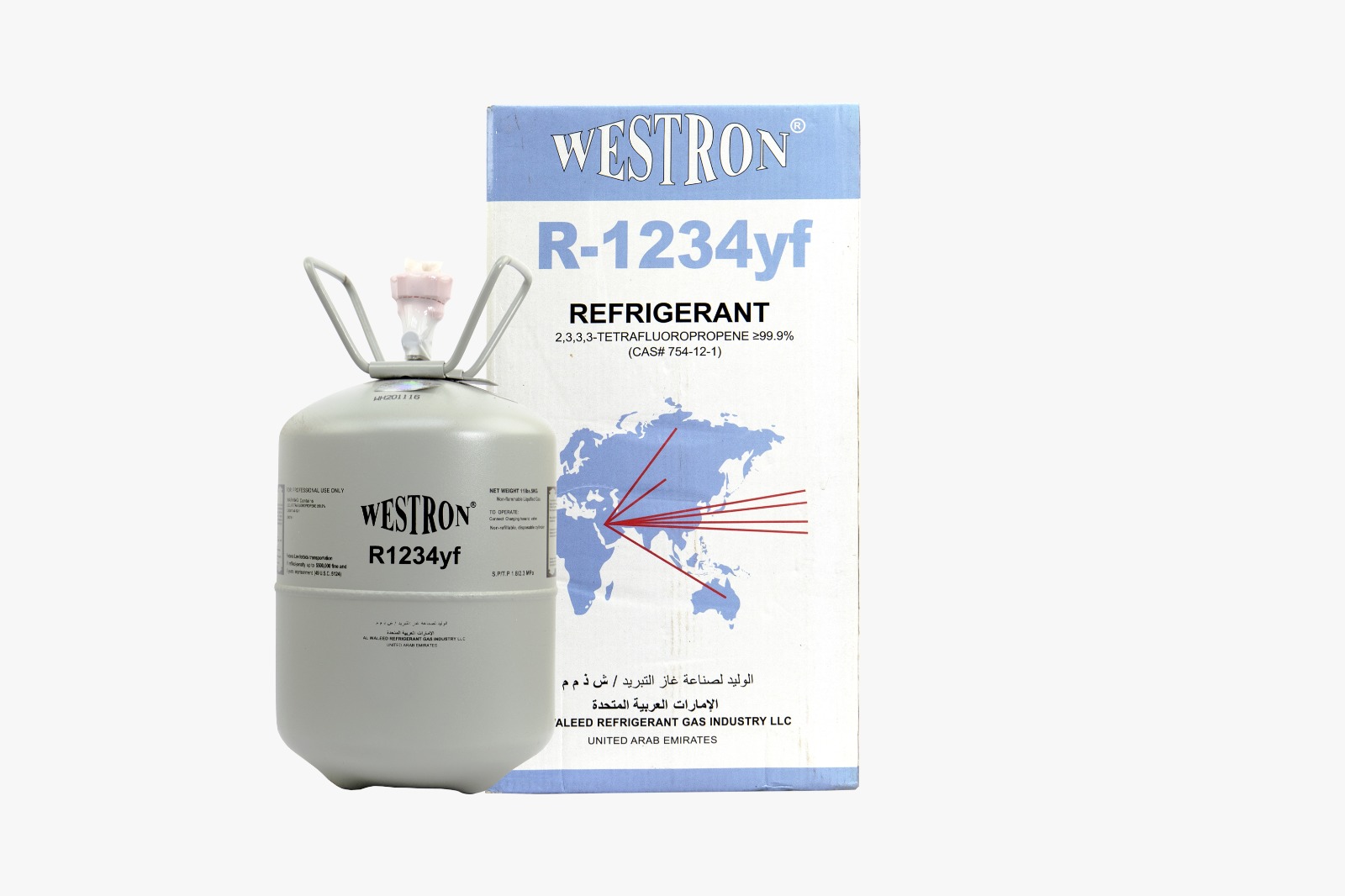
Dubai, Fish Round About
Latest Customer Reviews
"Best Refrigerant dealers in Dubai"