OMEGA TECH LIFTS ASSEMBLING LLC
Trade Center 1 - Dubai
Products & Services:
Elevator Modernization In Dubai UAE, Escalator Modernization In Dubai UAE, Elevator Repairs In Dubai More..
Since : 2009
Trade Center 1 - Dubai
Products & Services:
Elevator Modernization In Dubai UAE, Escalator Modernization In Dubai UAE, Elevator Repairs In Dubai More..
Since : 2009


Escalator modernization services are essential for shopping malls, airports, metro stations, hotels, commercial towers, hospitals, and public buildings looking to improve passenger safety, operational efficiency, and modern appearance. Upgrading old escalator systems helps reduce maintenance issues, improve energy efficiency, and ensure compliance with updated safety standards. Dubai’s rapidly developing infrastructure and commercial sector continue to increase the demand for reliable escalator modernization solutions. TOWNIN.COM helps customers discover trusted escalator modernization companies with verified addresses and phone numbers for professional upgrade and maintenance services.
OMEGA TECH LIFTS ASSEMBLING LLC
Office 2404, Al Moosa Tower, Sheikh Zayed Rd, Trade Center 1, Dubai
Phone number: +971 50 161 5123
Axima Elevators And Escalators
Al Qusais Industrial Area, Dubai
Phone number: +971 55 468 4493
Fuji Haya Elevators And Escalators
Damascus Street, Al Qusais, Dubai
Phone number: +971 4 258 7900
Kone Middle East LLC
Dubai Airport Free Zone, Dubai
Phone number: +971 4 294 7200
Otis Elevator Company UAE
Sheikh Zayed Road, Dubai
Phone number: +971 4 331 6484
Schindler Pars International
Dubai Investment Park, Dubai
Phone number: +971 4 885 2240
Thyssenkrupp Elevator UAE
Al Quoz Industrial Area, Dubai
Phone number: +971 4 347 7760
Mitsubishi Elevator Middle East
Jebel Ali Free Zone, Dubai
Phone number: +971 4 881 7762
Hyundai Elevator Middle East
Business Bay, Dubai
Phone number: +971 4 450 8353
Sigma Elevator LLC
Al Garhoud, Dubai
Phone number: +971 4 295 5220
TOWNIN.COM has listed some of the most trusted escalator modernization companies in this directory. Several business listings are included after telephonic confirmation or field-level verification procedures to help customers connect with reliable escalator upgrade specialists and maintenance providers.
Elevation design is a critical aspect of architectural planning. It defines the outer appearance of a building, influencing both its aesthetics and functionality. Elevation designers specialize in crafting visually appealing and structurally sound facades, ensuring your building stands out while fulfilling practical needs like ventilation, lighting, and weather protection. In this guide, we explore the world of elevation design, the role of elevation designers, and answer frequently asked questions to provide a comprehensive understanding of their services.
Elevation design refers to the detailed drawing or representation of a building's exterior facades. It showcases the height, materials, textures, colors, and structural components that define how a building looks from different angles.
Elevation designers play a crucial role in architectural design and urban planning, creating aesthetically appealing and functional external facades of buildings. Their work combines both artistic vision and technical expertise to shape the outer appearance of structures. Here's a breakdown of their key roles and responsibilities:
Elevation designers focus on enhancing the visual attractiveness of buildings. They select appropriate materials, textures, and colors to ensure that the exterior of a building complements its surroundings and adheres to the client's aesthetic preferences.
Beyond appearance, elevation designers ensure that the building’s facade is functional and practical. They take into account factors such as climate, orientation, and environmental conditions to design facades that provide protection from the elements and enhance energy efficiency.
Elevation designers work closely with architects and structural engineers to ensure that their designs align with the overall structural integrity of the building. This collaboration helps ensure that the design is feasible and meets safety standards.
They often incorporate elements of local architecture, cultural significance, and contemporary trends to ensure the building’s design resonates with its location and target audience.
Choosing the right materials is crucial for creating a long-lasting and visually appealing facade. Elevation designers are responsible for selecting materials like glass, wood, stone, or metal that not only look good but also offer durability and sustainability.
Elevation designers consider how the building will look at different times of the day, taking into account natural and artificial lighting. They also select finishing techniques that enhance the overall appearance of the structure.
They ensure that their designs comply with local building codes, zoning laws, and environmental regulations, ensuring the project can be approved and completed without legal or technical issues.
1. Front Elevation Design
The front elevation is the exterior view of a building from the front side. It showcases the main entrance, windows, balconies, and any decorative elements. Key styles include:
2. Side Elevation Design
This focuses on the side view of the building, highlighting the structure's depth and layers. Key elements often include windows, doors, and the positioning of side balconies. It may show asymmetrical or symmetrical designs depending on the architectural style.
3. Rear Elevation Design
The rear elevation refers to the back side of the building. It typically includes outdoor spaces like gardens, patios, or decks, as well as back windows and doors. It’s often simpler in design than the front but can still feature innovative elements like large sliding glass doors for indoor-outdoor living.
4. Split Elevation Design
Split elevation designs are used for multi-level homes on sloping or uneven plots. They visually separate the levels and highlight how each level interacts with the terrain, creating a dynamic, layered appearance.
5. Duplex Elevation Design
Designed for duplex homes, these elevations highlight the structure's dual living units. The design ensures privacy and comfort for both units while maintaining a cohesive exterior look, often featuring separate entrances and distinct windows.
6. Bungalow Elevation Design
Bungalow elevation focuses on single-story or one-and-a-half-story homes, emphasizing horizontal lines, low-pitched roofs, and large verandas. This design often incorporates natural materials like wood and stone to blend with the environment.
7. 3D Elevation Design
A modern take on elevation design, 3D elevation designs use software to provide a three-dimensional view of a building’s exterior. This allows architects and clients to visualize the building from various angles and make necessary adjustments before construction.
8. Commercial Elevation Design
Elevations for commercial buildings focus on functionality and brand identity. They often incorporate large glass facades, signage, and modern materials to attract customers. Examples include retail stores, office buildings, and restaurants.
9. Contemporary Elevation Design
Contemporary elevation features minimalist design, open spaces, flat or sloped roofs, and large windows. It often utilizes eco-friendly materials and technologies such as solar panels, green roofs, and energy-efficient windows.
10. Mediterranean Elevation Design
Influenced by the Mediterranean region, these elevations feature stucco walls, tiled roofs, arched windows, and open courtyards. The design typically emphasizes outdoor living, with verandas and patios.
Hiring a professional elevation designer ensures your building's exterior aligns with your vision and stands out in its environment. Here are a few reasons to consider hiring one:
A: Look for a designer with experience, a diverse portfolio, and good
communication skills. It's essential they understand your design preferences,
budget, and timeline.
A: The cost depends on the size and complexity of the project, the
designer’s experience, and the materials used. It’s best to get a detailed
quote after initial consultations.
A: Yes, elevation designers often collaborate with architects and other
professionals to ensure the design is practical and structurally sound.
A: While not mandatory, 3D renderings help visualize the design more
accurately, allowing for easier adjustments and providing a clear idea of the
final outcome.
A: Most designers allow modifications during the conceptual phase. Once
construction begins, changes may incur additional costs or delays.
A: The timeline varies depending on the scope of the project. A simple
elevation design may take a few weeks, while larger projects could take several
months.
A: Popular materials include natural stone, brick, glass, metal cladding,
concrete, and wood. The choice depends on the design style, climate, and
budget.
A: Yes, elevation design can significantly enhance existing structures
during renovations, giving an old building a modern and refreshed appearance.
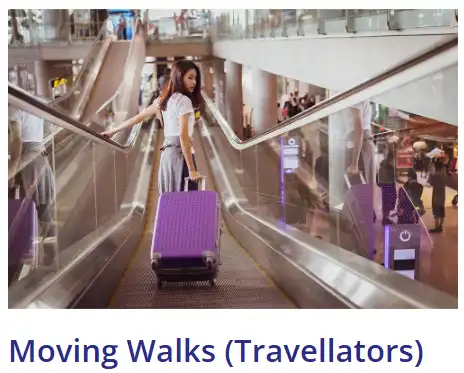
Dubai, Trade Center 1
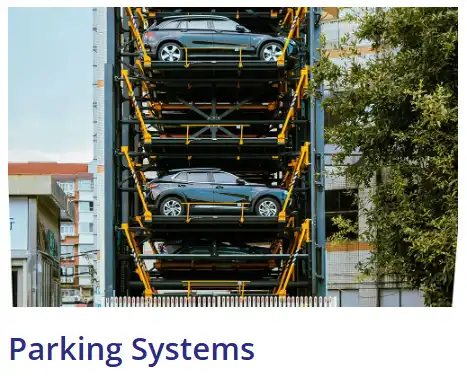
Dubai, Trade Center 1
Latest Customer Reviews
"Best Lift Assembling service in Dubai"